
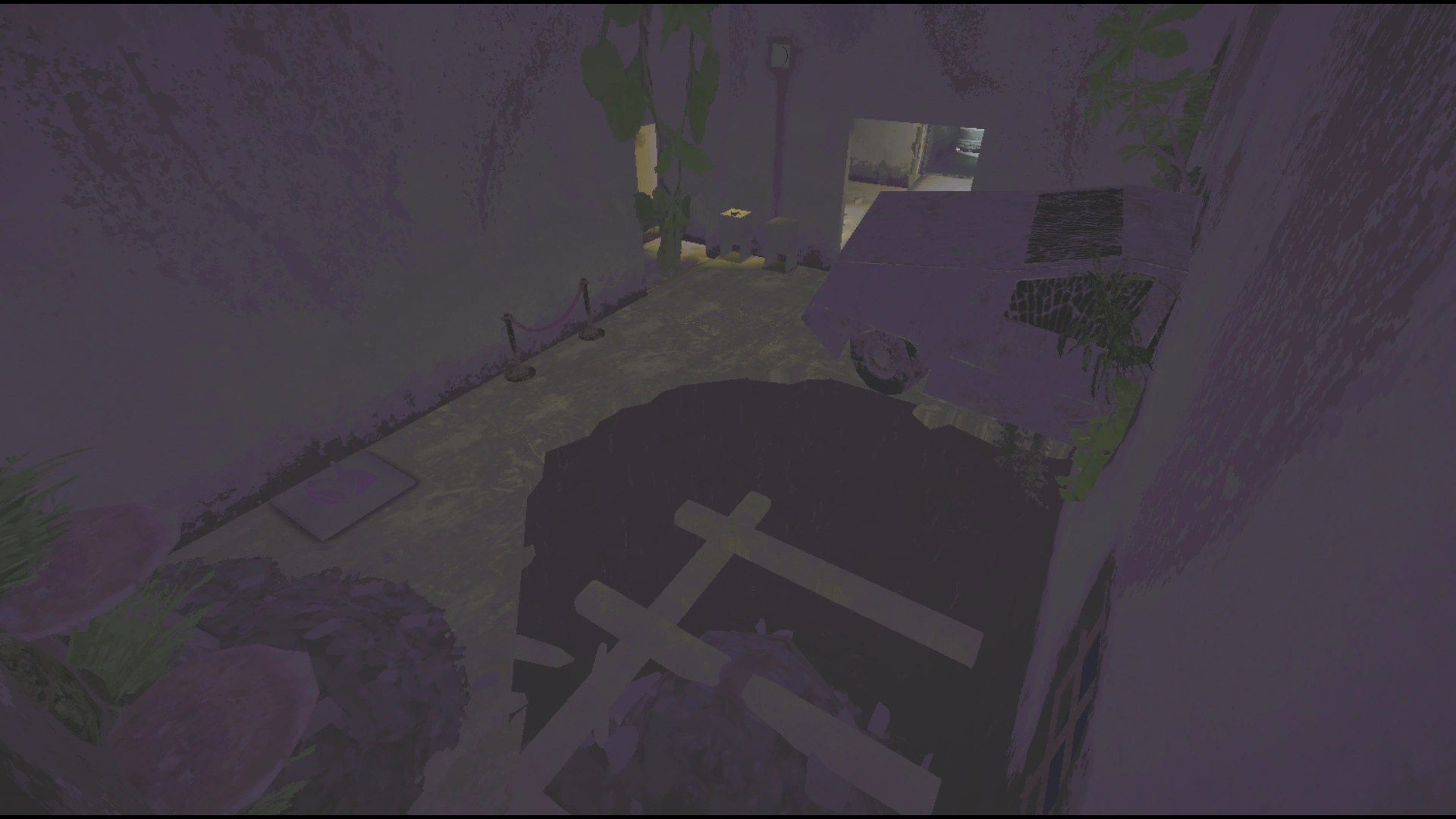
How the game behaves · R.E.P.O. v0.4.0 · read from a local copy
Drifting a vehicle
Drifting is a system with its own switch on the vehicle.
Drifting in R.E.P.O. is a system of its own: it starts from a speed and an angle, pushes and turns the vehicle, ramps the speed up, changes the drag on the way out, lights the wheels and rumbles the pad, and pays a boost when you exit at speed.
What the game establishes
- Drifting is a system with its own switch on the vehicle. (checked against the game's own files)
- A drift starts from a speed threshold and an angle threshold, and lasts at least a minimum time. (checked against the game's own files)
- It applies a force, a yaw boost and a redirect multiplier. (checked against the game's own files)
- It has its own turning speed and speed bounds. (checked against the game's own files)
- The speed ramps up over a time when a drift starts. (checked against the game's own files)
- Leaving a drift applies an exit boost and switches between a drift drag, a default drag and a smoothing time. (checked against the game's own files)
- At low speed a separate drag, easing duration and starting multiplier apply. (checked against the game's own files)
- Drifting has particles with a transform, and a light with settings per drift level. (checked against the game's own files)
- The drift loop runs between a lowest and a highest pitch. (checked against the game's own files)
- Full and low speed each have a boost time, with a threshold for full speed and rates for growing the boost over time and at hyper speed. (checked against the game's own files)
- The drift carries rumble strengths for position and rotation, a rumble speed and a boost multiplier. (checked against the game's own files)
- The drift is drawn in levels: there are drifting particles for three levels and a particle for the moment the first boost level is reached. (checked against the game's own files)
- The boost has a forward push and a speed multiplier of its own, and the vehicle records a force multiplier, an extra turn angle it may take by hand and its own colliders. (checked against the game's own files)
- Each drift level carries settings of its own: a roll angle, a yaw offset and offsets for how the mesh sits horizontally, how far it is turned, and how far it drops forward. (checked against the game's own files)
In play
A vehicle does not slide by accident. Drifting is a system the body can be given, with its own switch, which is why a car can be built to drift and another can be built not to.
A drift starts under conditions. There is a threshold for how fast you have to be going and a threshold for the angle, and once a drift begins it lasts at least a minimum time rather than flickering on and off.
It pushes and it turns. A drift applies a force, adds a yaw boost and redirects some of the velocity, which is why the vehicle both slides and swings round rather than only travelling sideways.
It has its own turning and its own speed bounds. Drift turning speed, a maximum drift speed and a minimum ratio of speed all apply while the drift is running, so the handling while sliding is configured separately from the handling while gripping.
Going into a drift ramps up. The speed is raised over a set ramp time rather than being switched instantly, which is why the slide builds instead of snapping into place.
Coming out of it changes the drag. There is a drift drag and a default drag, with a smoothing time between them, so the vehicle settles back into grip rather than losing the slide all at once.
Low speed is handled apart. There is a separate low-speed drag with its own easing duration and a starting multiplier, which is why a slow drift does not feel like a fast one.
The drift is lit and drawn. There are drifting particles with a transform of their own, and a drift light with settings that differ by drift level, so the effect changes as the drift gets harder rather than staying one colour.
It has a loop of its own. The drift sound loop runs between a lowest and a highest pitch, which is why the noise rises with the slide instead of repeating flatly.
Staying fast rewards it. There are separate boost times for full speed and for low speed, a threshold for what counts as full speed, and rates for how the boost grows over time and at hyper speed.
Each level of a drift is set up separately. The settings hold a roll angle and a yaw offset, along with offsets for how the mesh sits sideways, how far it is turned and how far it drops forward, which is how a harder slide can look different from a light one.
The drift is drawn at more than one strength. There are drifting particles for three levels, with a particle set aside for the moment the first boost level is reached, so a light slide and a hard one do not throw the same effect.
The vehicle is configured around the drift as well. The boost has a forward push and a speed multiplier of its own, and the body carries a force multiplier, an extra turn angle you may take by hand and the colliders it is made of.
It is felt as well as seen. There are rumble strengths for position and rotation, a rumble speed and a multiplier when the boost is active, so a drift reaches the controller rather than only the screen.
What this entry does not tell you: how fast you must be going to drift, how long a boost lasts, or how much speed a drift adds. We have not verified those numbers, so we do not print them.
Related
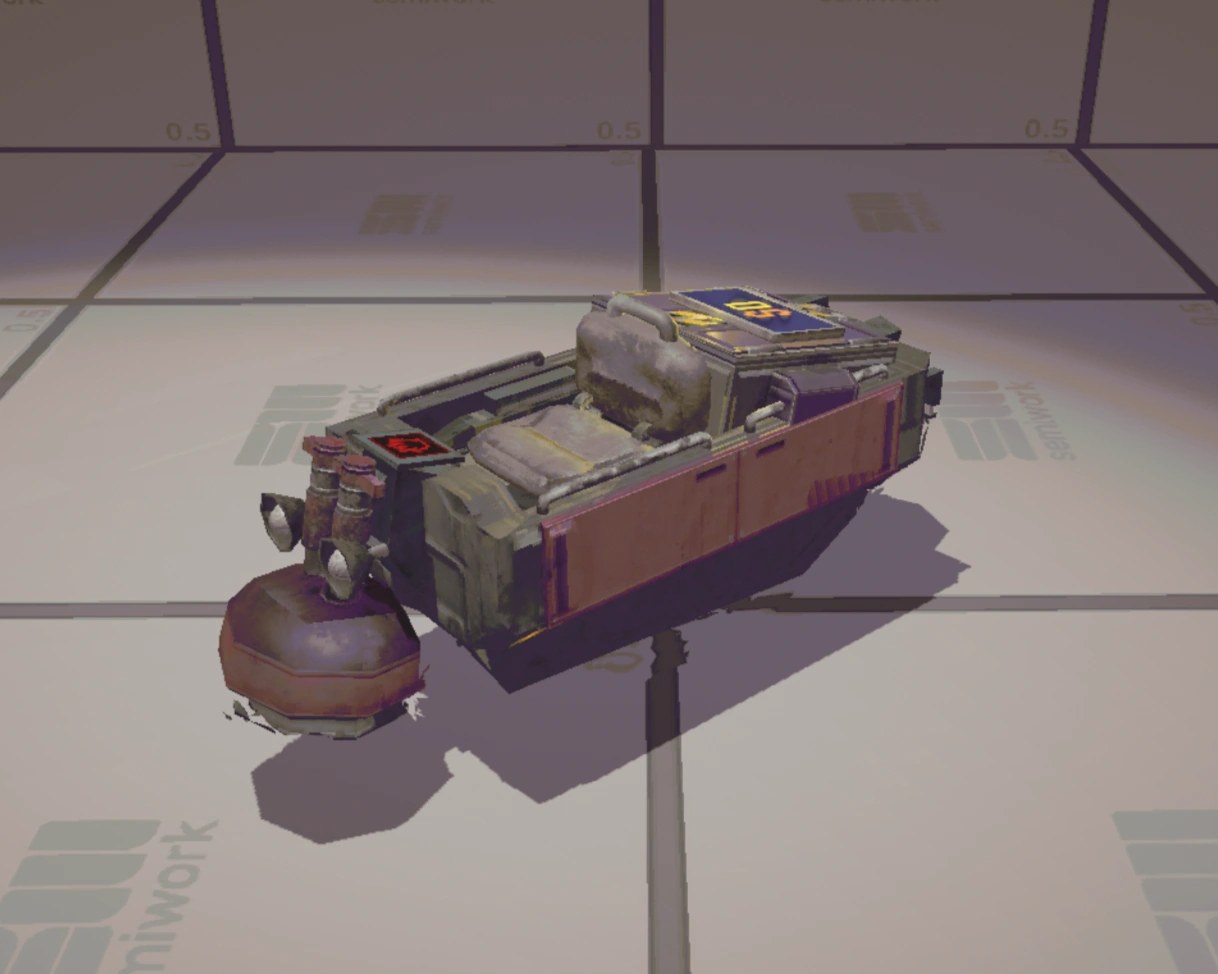 How the game behavesDriving a vehicle and staying uprightA vehicle is an item with a state and a timer of its own.
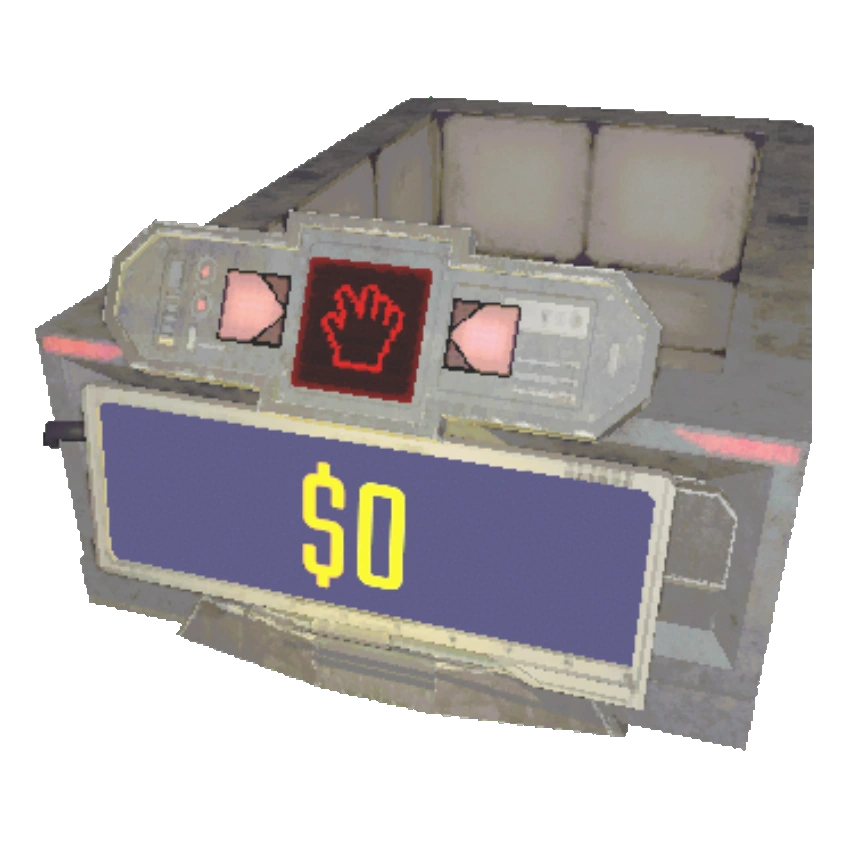 How the game behavesCarts, grabbing and the physics of lootA cart is modelled with its own physical behaviour.
Version and sources
A local copy of the game, read only. The grounding for each fact is listed on the technical reference pages; nothing here is estimated. Documented build: 0.4.0.