
Extraction and the shop · R.E.P.O. v0.4.0 · read from a local copy
The upgrade stand and its roll
The stand has a button you grab, a hatch, a compartment for the upgrade and a check for the upgrade being inside its box.
The stand you buy upgrades from in R.E.P.O. is a machine of its own: it has a button you grab, a hatch that opens onto a compartment, a build-up with its own light and stages, a roller with start, rolling and settle curves, a reroll, and a fire it can break out into.
What the game establishes
- The stand has a button you grab, a hatch, a compartment for the upgrade and a check for the upgrade being inside its box. (checked against the game's own files)
- A roll has a start shake, a rolling curve and an end shake, with a start sound, a rolling loop and an end sound. (checked against the game's own files)
- The hatch has its own curve, opening and closing sounds, separate impact sounds for each, and particles. (checked against the game's own files)
- There is a reroll with sounds for starting, ticking, settling and ending, and a compartment with hurt colliders. (checked against the game's own files)
- The button has a renderer, a normal material, a deny material, press and deny curves, a rotation spring and sounds for pressing, refusing and twisting. (checked against the game's own files)
- The stand builds up with stages, a light, intro and outro curves, build-up particles, a loop sound and a duration. (checked against the game's own files)
- It can catch fire, with a fire light, a fire hurt collider, a fire loop, button rubble, break particles and a break sound. (checked against the game's own files)
- The mesh and the button each carry springs of their own. (checked against the game's own files)
- It has sounds for being on and off and for a light going out, a curve for a flickering fade, and rolling particles. (checked against the game's own files)
- It carries a state and a localized line for interacting with it. (checked against the game's own files)
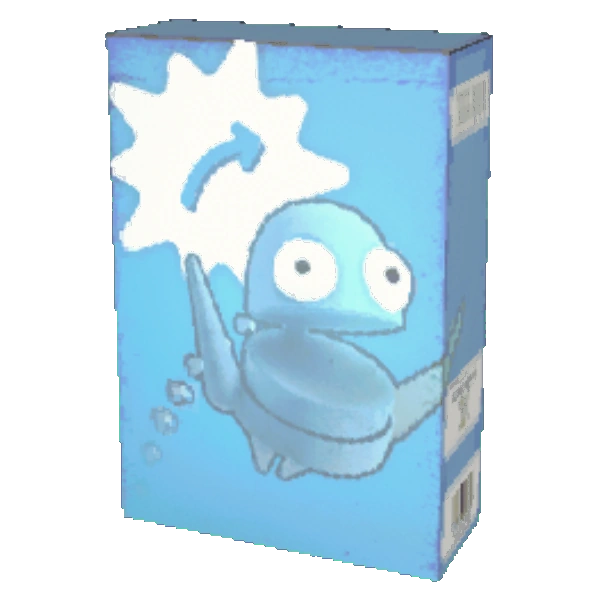
- The game ships colour artwork for the stand's button and its roller. (checked against the game's own files)
- The beep while the stand builds up and the squeak as the final roll settles are sounds of their own, and the hatch carries a hurt collider. (checked against the game's own files)
In play
The upgrade stand is a machine rather than a shop counter. It has a button you grab, a hatch, a compartment the upgrade sits in and a check for whether the upgrade is inside its box, so what you buy is rolled out of the stand instead of being handed over.
A roll has stages of its own. There are separate curves for the shake as the roll starts, for the roll itself and for the shake as it settles, with a start sound, a loop while it rolls and a sound for the end.
The hatch is animated and loud. It has its own curve, a sound for opening and a different one for closing, plus separate impact sounds for each, and particles of its own.
There is a reroll as well. It has sounds for starting, for each tick, for settling and for finishing, and the compartment it uses carries hurt colliders of its own.
The build-up is sounded and the hatch can hurt. The beep while it builds up and the squeak as the final roll settles are sounds of their own, and the hatch carries a hurt collider, which is why reaching into a moving stand is a physical thing rather than a menu.
The button is a whole object. It has a renderer with a normal material and a deny material, a curve for the press and another for a refusal, springs for its rotation, and sounds for pressing, refusing and twisting up and down.
The stand builds up before it rolls. It has stages to go through, a build-up light, an intro curve and an outro curve, build-up particles, a loop sound and a length for the build-up.
It can catch fire. A fire light, a hurt collider for the fire, a looping fire particle, rubble for the button, a break particle and a break sound all belong to the stand, which is why a failed roll is more than a message.
The parts move on springs. The whole mesh carries a rotation spring and a position spring, and the button has one of its own, so the stand reacts rather than switching between poses.
It also powers itself on and off. There are sounds for the stand being on and off and for a light going out, a curve for a flickering fade, and rolling particles that belong to the roll.
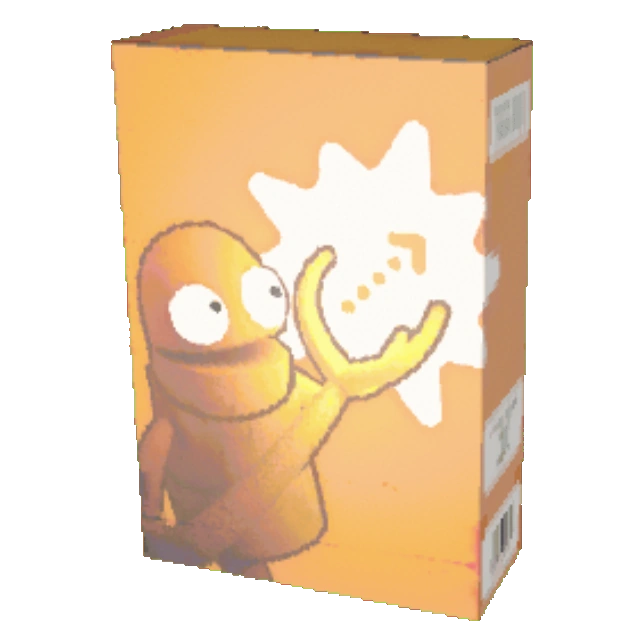
The pictures beside this entry are the game's own: the colour artwork for the stand's button, which carries the arrow mark, and for its roller.
What this entry does not tell you: what an upgrade costs, what any of them does, or how the odds of a roll work. We have not verified those numbers, so we do not print them.
Related
 Extraction and the shopHow upgrades are kept track ofAn upgrade is modelled as its own object with its own information.
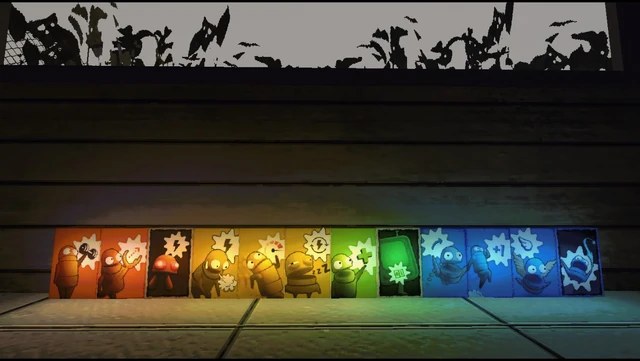 Extraction and the shopThe upgrades you find and buyAn upgrade is an item in the game rather than a value on the player.
Version and sources
A local copy of the game, read only. The grounding for each fact is listed on the technical reference pages; nothing here is estimated. Documented build: 0.4.0.