
How the game behaves · R.E.P.O. v0.4.0 · read from a local copy
The record the game keeps for each monster
Each monster has a record with a name, a difficulty and a type.
Monsters in R.E.P.O. are described before they are placed: each one has a record with a name, a difficulty, a type, its health, its music cues and the presets for its own body.
What the game establishes
- Each monster has a record with a name, a difficulty and a type. (checked against the game's own files)
- The record holds where the monster is centred and what it looks at when it kills. (checked against the game's own files)
- It holds a stinger for a sighting and the music for when the monster is near. (checked against the game's own files)
- It holds health: a maximum, the mesh the health is shown on, and objects for being hurt, dying and an impact. (checked against the game's own files)
- It says whether the monster has a rigid body and gives it physics and audio presets. (checked against the game's own files)
- It lists the body's colliders and its follow behaviours, including custom gravity, grabbing, position following and rotation following. (checked against the game's own files)
In play
A monster in R.E.P.O. is described before it is put in a level. There is a checklist record for each one, and it carries the monster's name, a difficulty and a type, so the game knows what it is dealing with as data rather than in code.
The record fixes where the monster is centred and what it looks at when it kills. Keeping both on the record is how the game can line up a finishing blow without every monster needing its own script for it.
It carries the monster's music cues. There is a stinger for being sighted and a separate piece of music for when the monster is near, which is why the soundtrack can react before anything is visible.
It carries the monster's health. There is a maximum, a mesh the health is shown on, and a set of health objects for being hurt, for dying and for an impact, so what happens when a monster is damaged is configured rather than assumed.
It says whether the monster has a body of its own. A flag decides that, and the record goes on to give it a physics preset and an audio preset, which is how two monsters can sound and fall differently while sharing one system.
It lists the colliders that body uses and how it follows things: a follow behaviour, a custom gravity, a way of being grabbed, and position and rotation following. That is the whole vocabulary for making a monster move physically.
Because the record includes the difficulty and the type, the same body and the same music can be reused with a different setting, which is why the monsters can be tuned without being rebuilt.
None of this is the monster itself. The record is the description and the creature in the level is an instance of it, which is why a monster can be taken out and put back without forgetting what it is.
What this entry does not tell you: how much health any monster has, what its difficulty is set to, or what its music sounds like. We have not verified those, so we do not print them.
Related
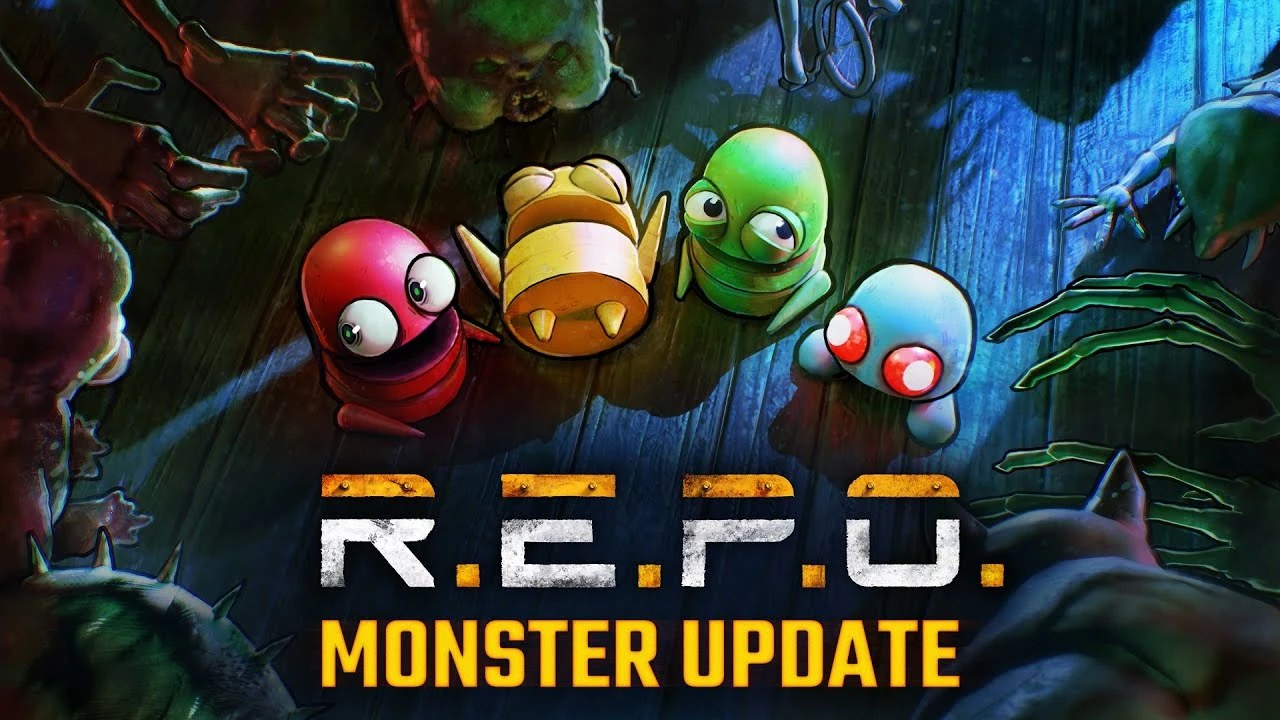 MonstersEnemies and what they doThe game defines several distinct monsters rather than one enemy type.
 MonstersWhat a monster is doingA monster is always in one of a fixed set of named states.
Version and sources
A local copy of the game, read only. The grounding for each fact is listed on the technical reference pages; nothing here is estimated. Documented build: 0.4.0.