
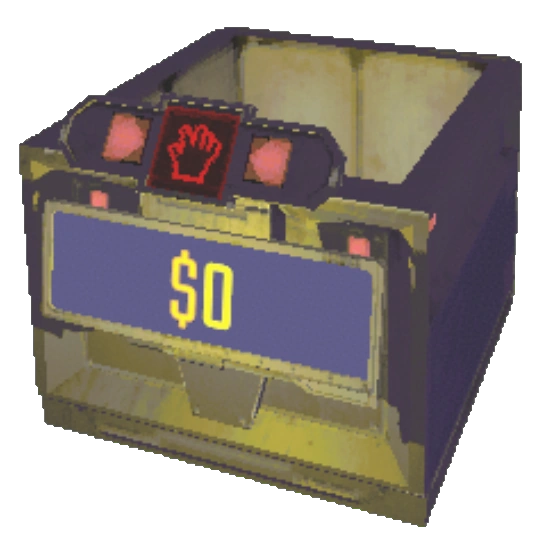
How the game behaves · R.E.P.O. v0.4.0 · read from a local copy
The cart and its boost pads
The cart is driven by physics values, including a speed limit and a softer settle speed.
The hauling cart in R.E.P.O. is simulated rather than scripted: the game gives it speed limits, a tilt limit and lift forces, and it can be pushed harder still by boost pads of its own.
What the game establishes
- The cart is driven by physics values, including a speed limit and a softer settle speed. (checked against the game's own files)
- Lift and stabilising forces are applied to the cart. (checked against the game's own files)
- The cart is limited in how far it may tilt. (checked against the game's own files)
- The cart has separate impact volumes for small, medium and big objects. (checked against the game's own files)
- The cart defines seats, so the crew can ride it. (checked against the game's own files)
- Boost pads have a boost level and a loop duration. (checked against the game's own files)
- The game has a vehicle interface of its own. (checked against the game's own files)
- A boost pad is drawn from three quads — a main one, an overlay and a background — and has a boost sound of its own. (checked against the game's own files)
In play
The cart is driven by physics. The game gives it a top speed, a softer speed it settles towards, a lift force and a stabilising force, which is why a loaded cart does not simply glide along a fixed rail.
It can tip over. The game keeps a maximum tilt angle for the vehicle, so leaning too far through a turn has a consequence instead of being quietly ignored.
Different cargo, different collisions. The cart carries separate impact volumes for small, medium and big objects, which is why what you are hauling changes how a crash plays out.
People can ride it. The cart defines seats, so it is a vehicle for the crew and not only a trolley for loot.
Boost pads push it further. The game has pads of their own with a boost level and a loop duration, so a pad is a piece of track you place rather than a one-off shove.
A pad is drawn as well as felt. It is made of three quads — a main one, an overlay and a background — and it has a boost sound of its own, which is how a pad reads as a pad before anything drives over it.
The interface knows about it as well. A vehicle interface of its own exists, which is why a cart can put something on screen while you are riding it.
What this entry does not tell you: the real top speed, how much a boost adds, or how much the cart holds. We have not verified those numbers, so we do not print them.
Related
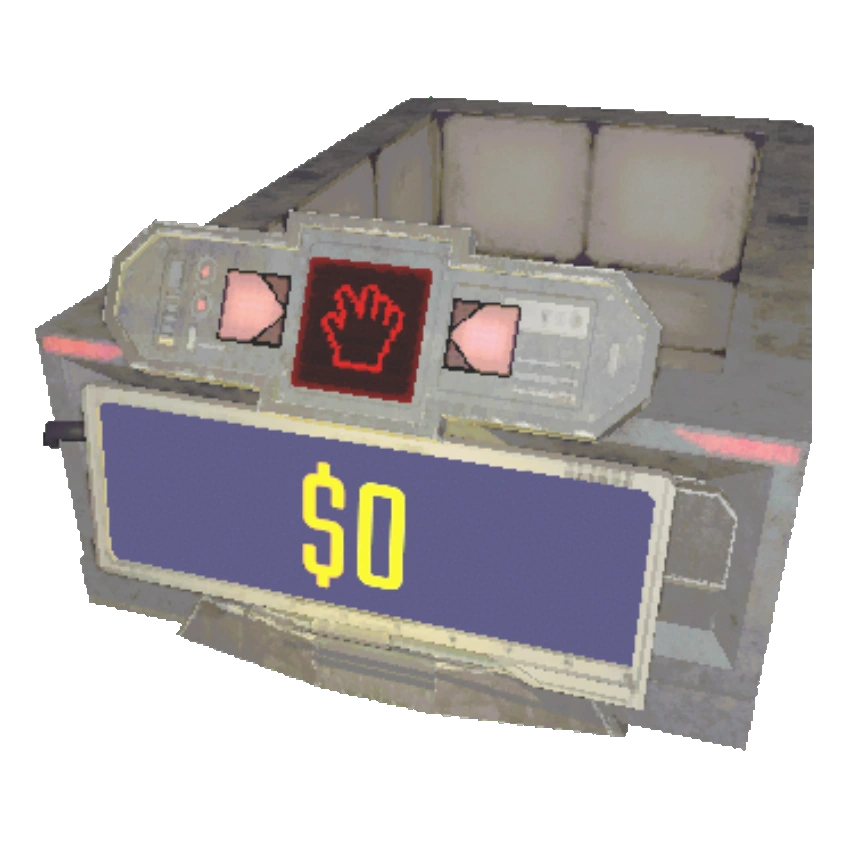 How the game behavesCarts, grabbing and the physics of lootA cart is modelled with its own physical behaviour.
 ValuablesMoving loot and gear aroundAt least one valuable is packaged in a box you can move.
Version and sources
A local copy of the game, read only. Identifiers are listed on the technical reference pages; nothing here is estimated. Documented build: 0.4.0.