
How the game behaves · R.E.P.O. v0.4.0 · read from a local copy
The cart as an object
The cart knows whether it is the small kind, and the small kind has a hurt collider of its own.
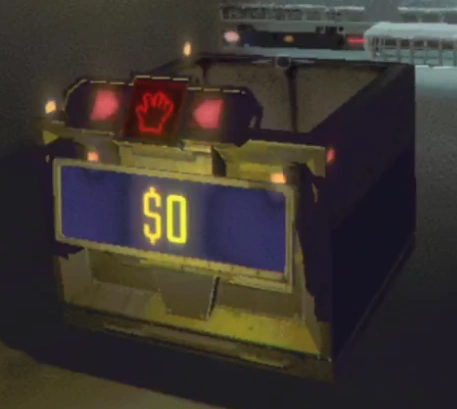
The cart in R.E.P.O. is a machine of its own: it knows whether it is the small kind, carries four different surface materials, has a handle and a grab point and a value screen, is stabilised by a force, has its own sounds for being locked, dragged and handled, and offers two cart modes with names of their own.
What the game establishes
- The cart knows whether it is the small kind, and the small kind has a hurt collider of its own. (checked against the game's own files)
- It carries four surface materials: slippery, sticky, a little slippery and normal. (checked against the game's own files)
- It has a handle point and a grab point. (checked against the game's own files)
- It has a mesh used for grabbing and a component for grabbing what is already in the cart. (checked against the game's own files)
- It carries a value screen and a thrust effect. (checked against the game's own files)
- It has a stabilisation force and a button object. (checked against the game's own files)
- It has separate sounds for being locked, dragged and handled. (checked against the game's own files)
- It has a strong and a weak cart mode, each with a localized name. (checked against the game's own files)
In play
The cart is not a tray on wheels. It is an object with settings of its own, which is why two carts can feel quite different to push without the crew changing anything about how they drive.
It knows its own size. There is a flag for whether it is the small kind, and the small kind carries a hurt collider of its own, which is why a little cart behaves differently when it is knocked into something.
It has four surfaces. There is a slippery material, a sticky one, one that is a little slippery and a normal one, so the same cart can be made to slide, to grip or to do something in between rather than having one friction setting.
It has the parts you handle. There is a handle point and a grab point, along with a mesh used when it is grabbed and a component for grabbing things that are already in the cart, which is how the cart can be pushed and emptied without a separate system for each.
It carries a value screen. That is how the cart can show what it is worth as it fills, rather than leaving the crew to add it up.
It is held steady by a force. There is a stabilisation force of its own, which is what keeps a loaded cart from tipping at the first bump rather than relying on its shape alone.
There is a button on it, and a thrust effect, so a cart can do more than be pushed: the effect is drawn when it is used and the button makes it an object with controls rather than a container.
It sounds like equipment. There are separate sounds for being locked, for being dragged and for being handled, which is why you can hear whether a cart is parked, being pulled or being picked up.
It has two modes with names of their own. A strong mode and a weak mode each carry a localized name, which is how the cart can be configured to behave one way or another and be labelled for the player.
What this entry does not tell you: how much a cart holds, what its modes change, or how strong the stabilisation is. We have not verified those numbers, so we do not print them.
Related
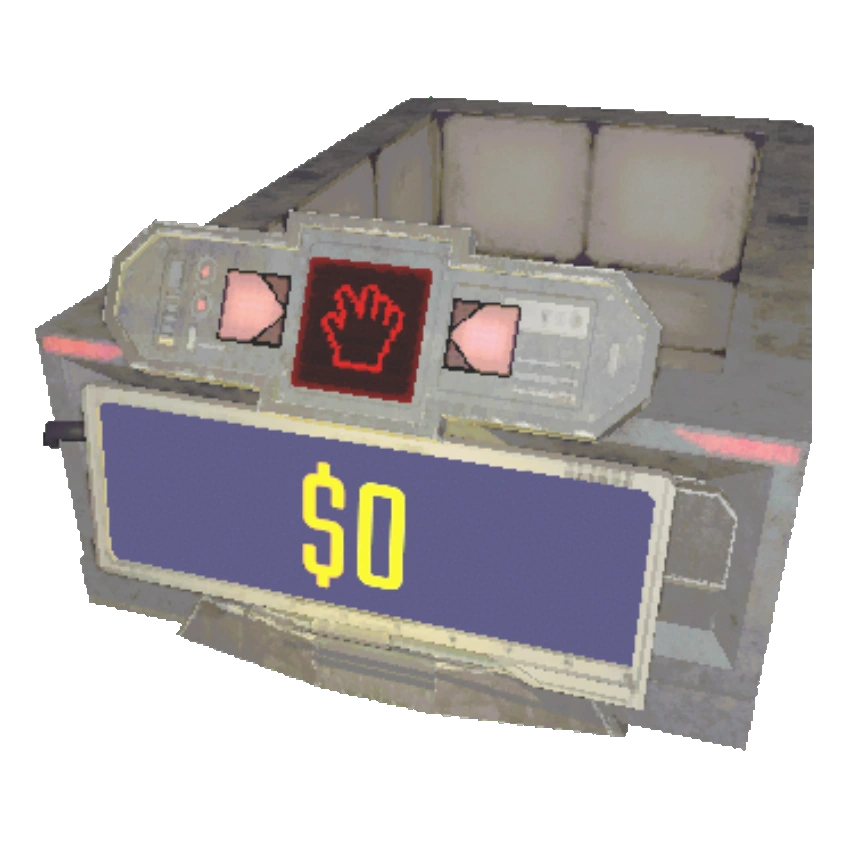 How the game behavesCarts, grabbing and the physics of lootA cart is modelled with its own physical behaviour.
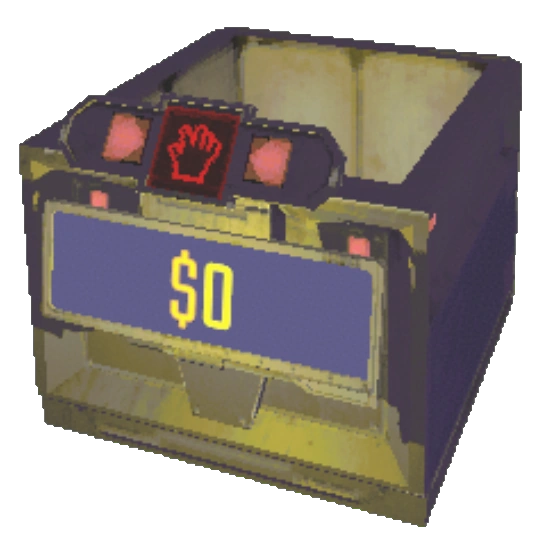 How the game behavesThe cart and its boost padsThe cart is driven by physics values, including a speed limit and a softer settle speed.
Version and sources
A local copy of the game, read only. The grounding for each fact is listed on the technical reference pages; nothing here is estimated. Documented build: 0.4.0.