
Playing with a crew · R.E.P.O. v0.4.0 · read from a local copy
The lobby, the player list and getting ready
The game has a lobby menu and keeps the types of lobby that have been saved.
R.E.P.O. gets a crew together in a lobby of its own: the game keeps lobby types, lists the players itself, caps the crew through its networking layer, and has a separate state for watching instead of playing.
What the game establishes
- The game has a lobby menu and keeps the types of lobby that have been saved. (checked against the game's own files)
- The main menu has a game mode state of its own. (checked against the game's own files)
- The menu can list the players, with hover and animation states of their own. (checked against the game's own files)
- Networking uses a view of its own and keeps a maximum number of players. (checked against the game's own files)
- Voice comes through the networking library the game uses, and there is a voice box component of its own. (checked against the game's own files)
- Extraction readiness is a state with flags of its own and a localised label. (checked against the game's own files)
- There is a flag for a player spectating rather than playing. (checked against the game's own files)
- The lobby has its own camera menu and buttons for stepping to the next and the previous player being watched, and it ships lobbies of its own such as a forest one. (checked against the game's own files)
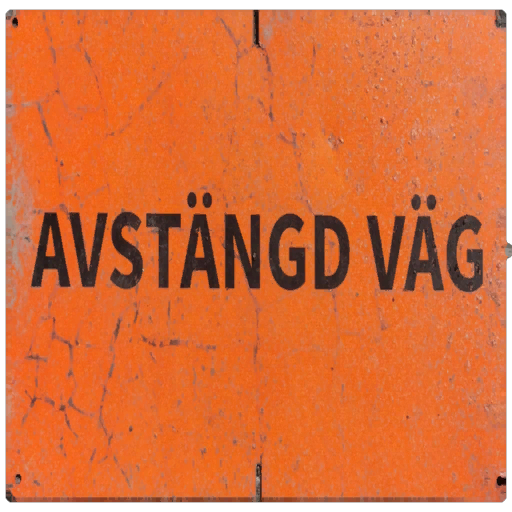
- The lobby is a scene of its own, with a forest, a landscape, a ditch, a road, a wooden barrier and signs for a closed road and for no stopping. (checked against the game's own files)
- Those two signs are drawn from sheets of their own, one for the closed road and one for no stopping. (checked against the game's own files)
In play
Before a run there is a lobby, and the game has a menu of its own for it rather than leaving the whole thing to a platform overlay.
Lobby types are remembered. The game keeps a record of the kinds of lobby that have been saved, which is why a setup can be picked again rather than rebuilt every session.
The crew is listed by the game. There is a player list the menu can show, and the menu elements carry hover and animation states of their own, so the list is a menu object rather than a line of text.
Networking carries its own limit. The game uses a networking view of its own and keeps a maximum number of players, so the size of a crew is set by the game rather than by whoever is hosting.
Voice is carried alongside the written chat. The game includes a voice layer from the networking library it uses and has a voice box component of its own, which is a second way of talking that is not the chat box.
Being ready is a state rather than a button. Extraction has readiness flags and a localised ready label, so the game knows when the crew is standing in the right place instead of only knowing that something was pressed.
A player can also be left watching rather than playing: the game keeps a flag for spectating that is separate from being in the run.
What this entry does not tell you: how many players a crew may hold, what the voice layer does in detail, or what each lobby type changes about a run. We have not verified those, so we do not print them.
Related
 Playing with a crewStaying in touch with the crewA player has a chat box state of its own in the game.
 Extraction and the shopExtraction and finishing a runExtraction happens at tracked points on the level.
Version and sources
A local copy of the game, read only. The grounding for each fact is listed on the technical reference pages; nothing here is estimated. Documented build: 0.4.0.