
Gear and items · R.E.P.O. v0.4.0 · read from a local copy
Your avatar and where it is shown
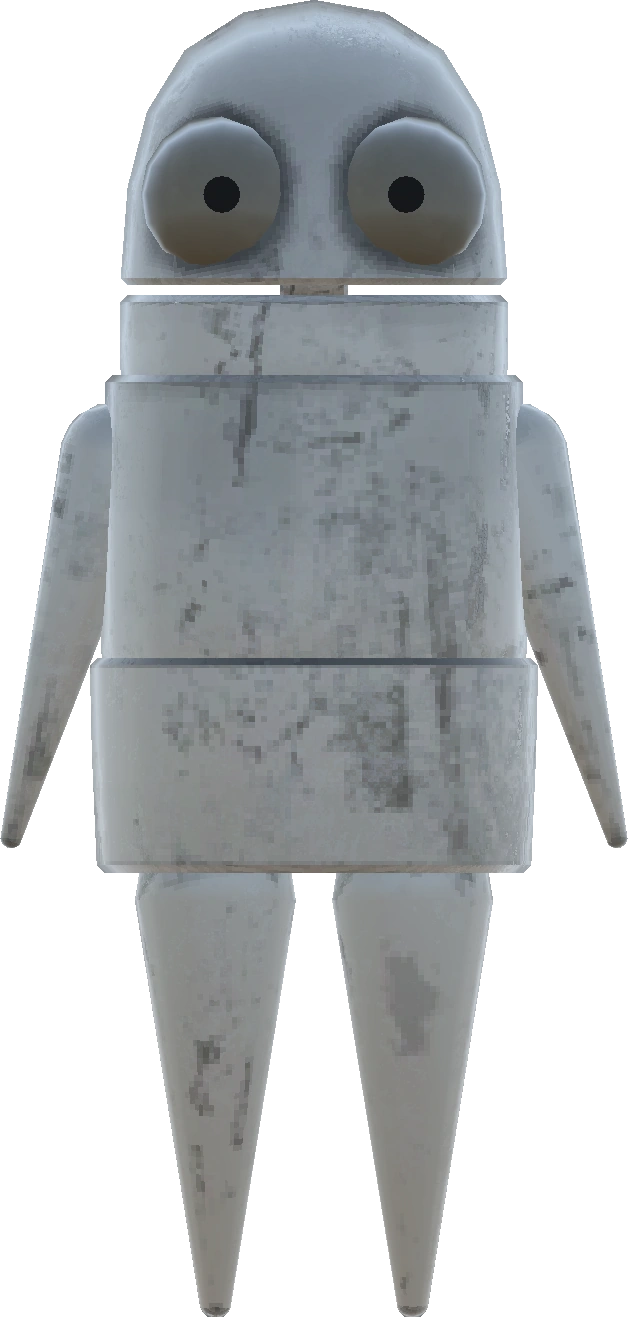
The avatar is built from named parts, including a left arm, a right arm and the eyelids.
Your R.E.P.O. avatar is built from named parts and drawn in more than one place: the game keeps a version of you for the world, one for making your icon, and one for your expressions.
What the game establishes
- The avatar is built from named parts, including a left arm, a right arm and the eyelids. (checked against the game's own files)
- The avatar's visuals are tracked as their own part of the game. (checked against the game's own files)
- The avatar menu carries three separate avatars: one for the world, one for icons and one for expressions. (checked against the game's own files)
- A player's cosmetics are kept together as a set. (checked against the game's own files)
- A cosmetic can be hidden again after it is unlocked. (checked against the game's own files)
- The avatar has a talking animation of its own. (checked against the game's own files)
- That animation turns an object of its own by a maximum angle and an amount of its own. (checked against the game's own files)
- Cosmetic objects in the world and cosmetic tokens have their own interfaces. (checked against the game's own files)
- A player material carries a cosmetic type, a flag for whether it can be tinted, a kind of tint and a fresnel value. (checked against the game's own files)
In play
The avatar is built from parts. The game names its pieces separately, including a left arm, a right arm and the eyelids, so a cosmetic can be laid over one piece instead of over the whole character.
The look is tracked as its own thing. The avatar visuals have their own part of the game, which is why changing how you look stays separate from changing how you play.
You are drawn more than once. The avatar menu carries three separate versions of you: one for the world, one used to make your icon and one for expressions, so the menu is showing different models rather than one.
Your cosmetics are collected together. The game keeps a player's cosmetics as a set, and that set is what the avatar menu and the token machine both work from.
Nothing stays stuck on once you own it. A cosmetic can be hidden again, so the game keeps a condition for whether a piece is shown rather than only a list of what you have collected.
The material knows what it is for. A player material carries a cosmetic type, a flag for whether it can be tinted and a kind of tint with a fresnel value, which is why one cosmetic can be recoloured where another cannot.
The avatar can also talk. There is a talking animation of its own, which is why the character moves while you are speaking instead of standing still.
That animation is bounded. It turns an object of its own by a maximum angle and by an amount of its own, which is why speaking moves the figure a little rather than swinging it about.
What this entry does not tell you: how many cosmetics exist, exactly what the menu shows, or whether the other players see the same thing you do. We have not verified those numbers, so we do not print them.
Related
 Gear and itemsCosmetics and the token machineThe shop contains a machine that gives out player cosmetics.
 Extraction and the shopThe shop between runsThe game has a shopkeeper and a shop manager for the between-run shop.
Version and sources
A local copy of the game, read only. Identifiers are listed on the technical reference pages; nothing here is estimated. Documented build: 0.4.0.