
Interface and readouts · R.E.P.O. v0.4.0 · read from a local copy
What being grabbed does to your view
A mixer effects object watches how far the camera is tilted.
Being caught in R.E.P.O. changes both the picture and the sound: the game tilts the camera and feeds that tilt into the mixer, distorting the audio, lowering it and shifting its pitch.
What the game establishes
- A mixer effects object watches how far the camera is tilted. (checked against the game's own files)
- Tilting distorts the audio, with a multiplier, a maximum and a speed. (checked against the game's own files)
- It also lowers the sound and shifts its pitch, each with a multiplier and a maximum. (checked against the game's own files)
- The camera tilt has two axes with maximums, an amount for strafing and a multiplier for crouching. (checked against the game's own files)
- The results of both tilts are kept as values of their own. (checked against the game's own files)
- A low-pass effect can be forced on, kept always active, and given its own volume and falloff. (checked against the game's own files)
In play
Being caught does not only take your movement away. The game leans the camera and changes the sound at the same time, and it does both from the same value: how far the camera is tilted.
The tilt has two directions. There is a tilt on one axis and a tilt on the other, each with a maximum, and the results are kept so the game knows what it actually applied rather than only what it asked for.
How much you are strafing feeds into it, and crouching has a multiplier of its own. That is why a tilt can look different when you were moving sideways than when you were standing still.
The audio is driven by the same angle. There is a mixer object that watches the camera tilt, which is the link between what you see and what you hear.
The sound is distorted as the view tilts, with a multiplier, a maximum and a speed of its own. The speed is what makes it arrive over a moment rather than in a single frame.
It is also lowered, and its pitch is shifted, again with a multiplier and a maximum each. Lowering the sound and dropping its pitch is how being held can feel like being underwater rather than simply quiet.
A low-pass effect can also be forced on. It can be kept always active and given its own volume and its own falloff, which is how a muffled sound can be made to follow something around a level rather than only apply to one object.
Because the tilt, the mixer and the low pass are separate parts, the game can use the same arrangement for being grabbed, for being hurt and for anything else that throws the view off centre.
What this entry does not tell you: how far the camera tilts, how strong the distortion is, or how long it lasts. We have not verified those numbers, so we do not print them.
Related
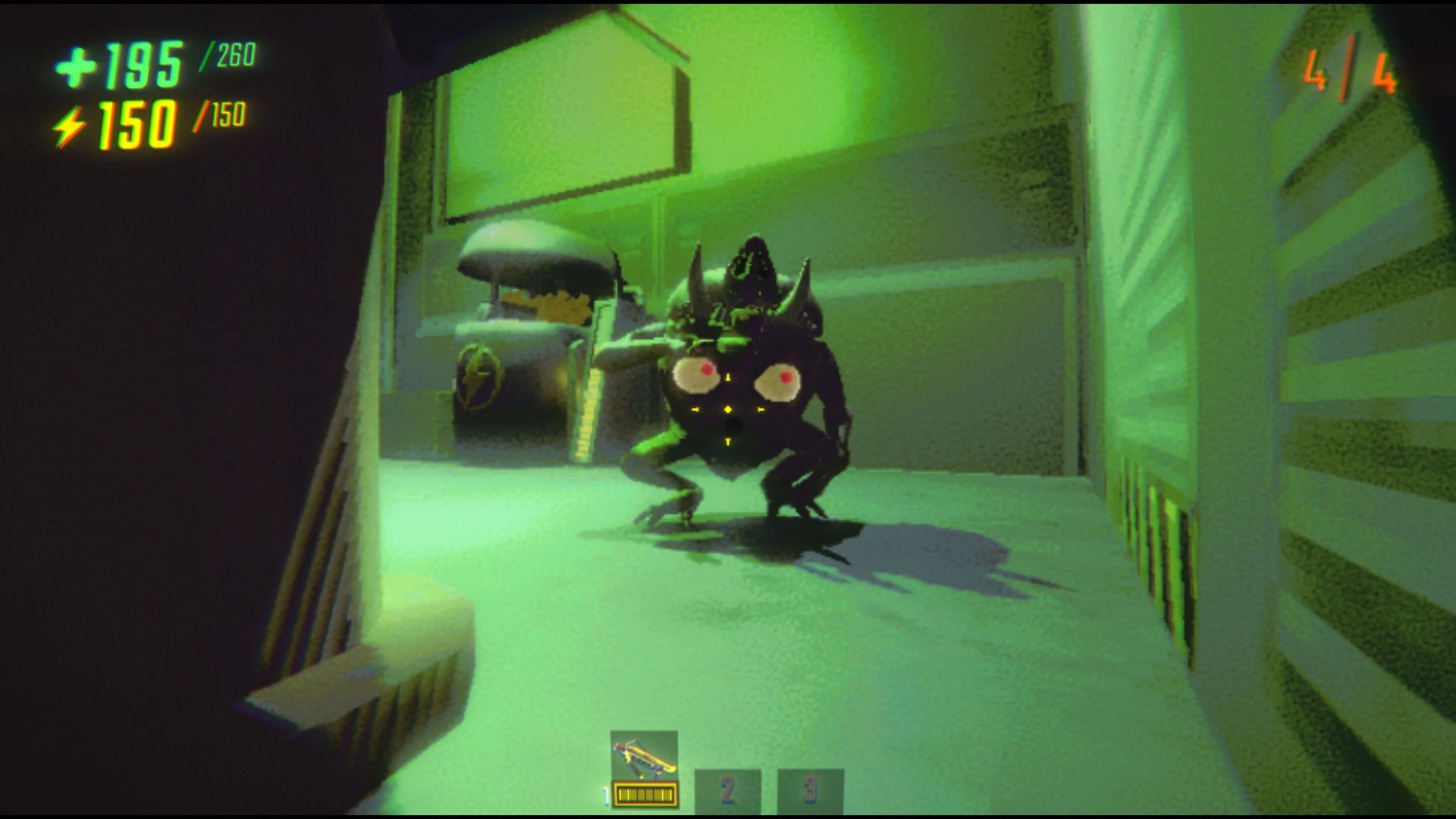 MonstersWhat being grabbed does to a runA player's condition is tied to the grabbing mechanic.
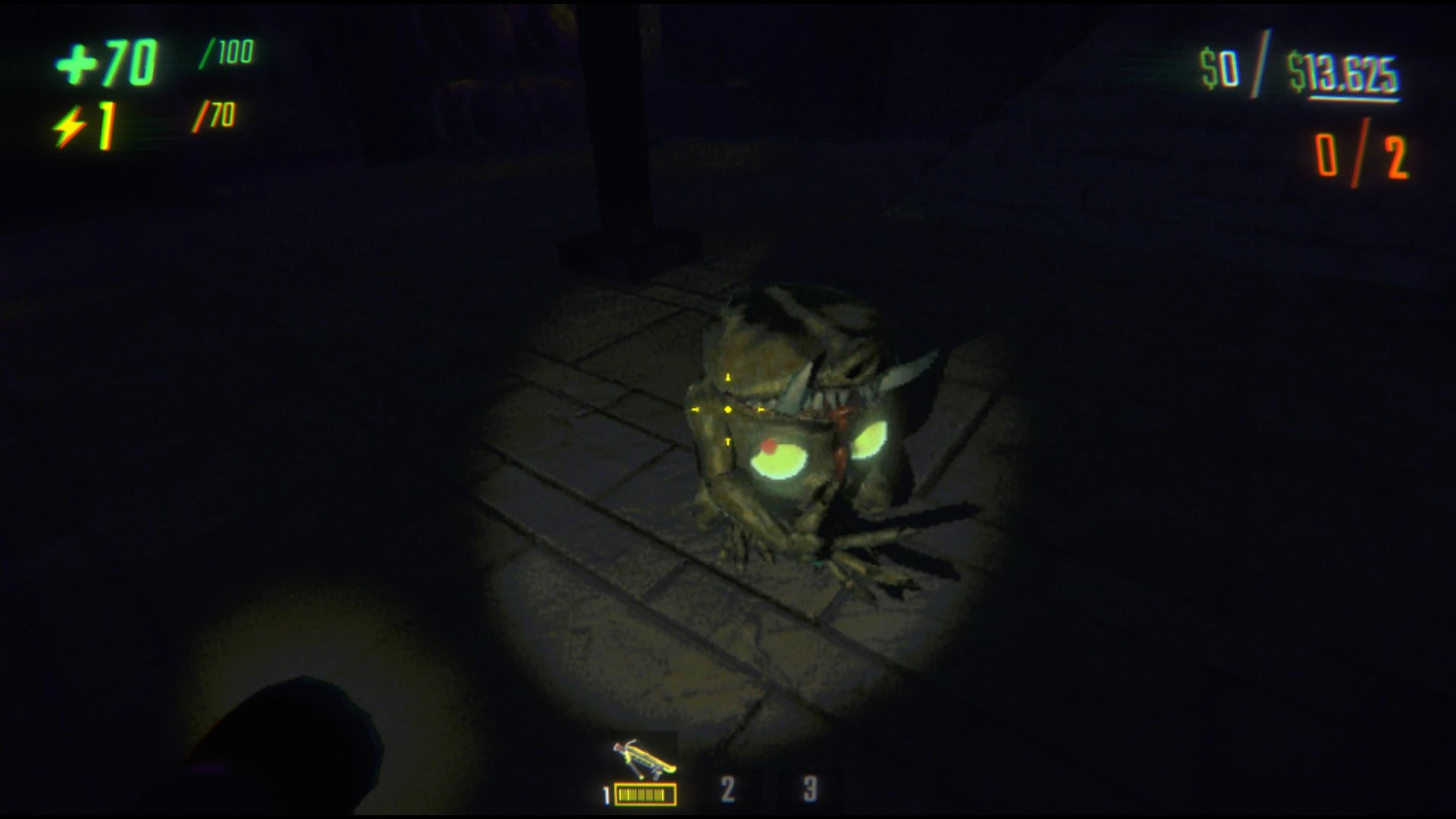 MonstersWhen a monster has youA monster exists whose behaviour is built around holding a player.
Version and sources
A local copy of the game, read only. The grounding for each fact is listed on the technical reference pages; nothing here is estimated. Documented build: 0.4.0.